Our Story
About Us
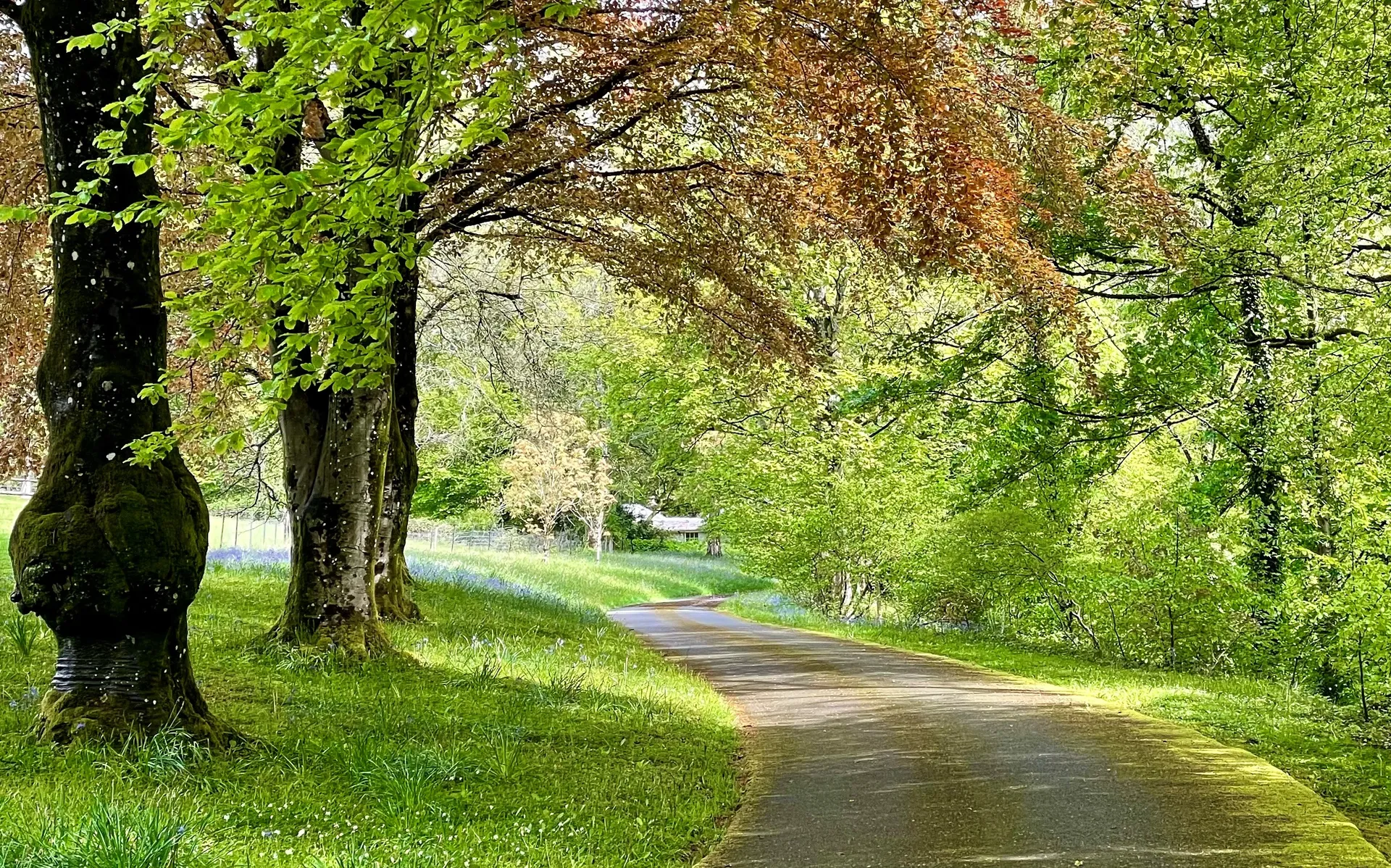
A working estate in South Wales, in the same family's care since 1804.
An estate of
land and history
Where the Ogmore and Ewenny rivers converge.
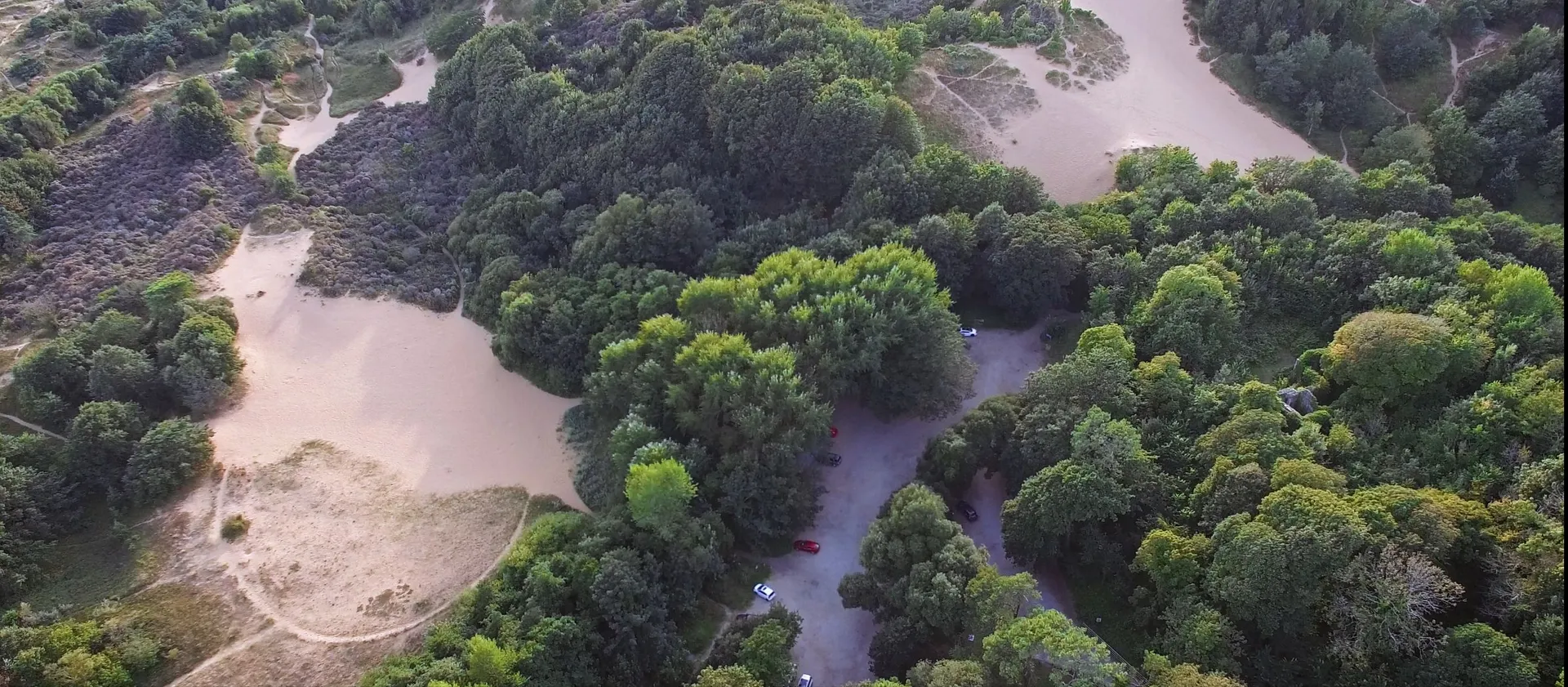
Extending to approximately 3,500 acres, the estate is centred on the small historic village of Merthyr Mawr in Bridgend County Borough, and the hamlet of Llampha in the Vale of Glamorgan. Merthyr Mawr itself is characterised by thatched cottages set along quiet lanes, with the Ogmore and Ewenny rivers meeting just to the west of the village before running down to the sea.
Lying between the village and the coast, the 840-acre Merthyr Mawr Warren National Nature Reserve — managed by the estate — protects one of Europe’s most significant dune systems. The estate also holds more than 35 listed buildings and structures, and eight Scheduled Ancient Monuments.
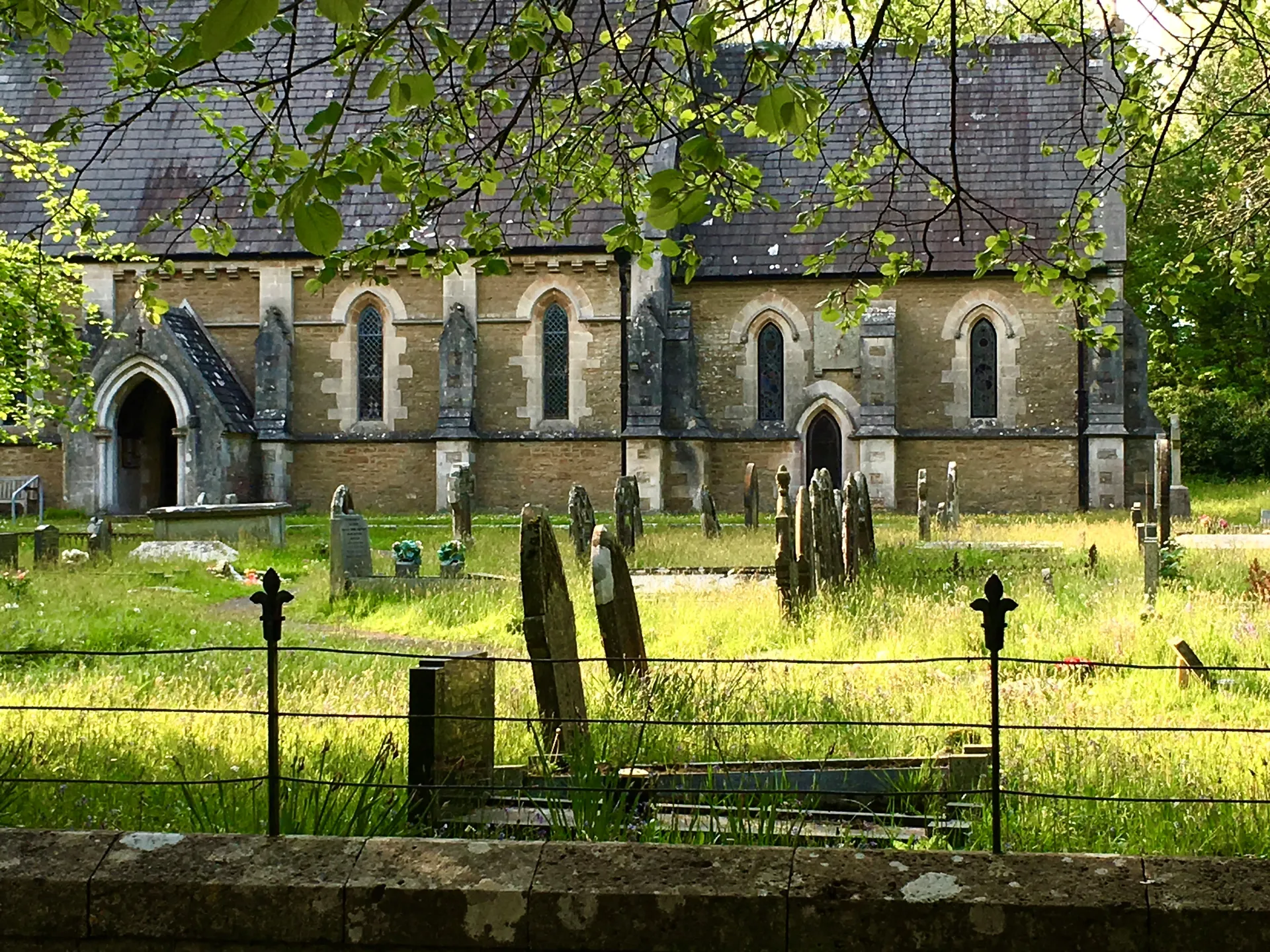
St Teilo’s Church, designed by Benjamin Ferry, 1850s
Two centuries
of stewardship
Sir John Nicholl
Born and raised in Llantwit Major in the Vale of Glamorgan, Sir John Nicholl had a remarkable career at the bar and in Parliament. He served as King's Advocate, Dean of the Arches, Judge of the Prerogative Court of Canterbury, Privy Councillor, Lord of Trade and Plantations, and Judge of the High Court of Admiralty, representing three parliamentary constituencies during a long and distinguished public life. Shortly after purchasing the estate — formerly part of the Stradling family's lands centred on St Donats Castle — he set about replacing the old Tudor manor with a Georgian mansion on a new site to the east of the village.
Repton's parkland
With advice from Humphry Repton, a new picturesque parkland was laid out around the house, with extensive planting designed to frame views south to the Ogmore River and south-west to Ogmore Castle. New cottages and a village school were constructed, and the estate farms were significantly improved.
Benjamin Ferry's church
The medieval church at Merthyr Mawr had fallen into severe disrepair. The estate commissioned Benjamin Ferry — a pupil of Augustus Pugin — to design a replacement on the same site. The new church at St Teilo's, built in a sympathetic Gothic style, remains one of the most distinctive buildings on the estate.
Continuing stewardship
The estate remains in the care of Sir John's descendants — a continuous legacy of careful management across more than two centuries.
Custodians of
a living landscape
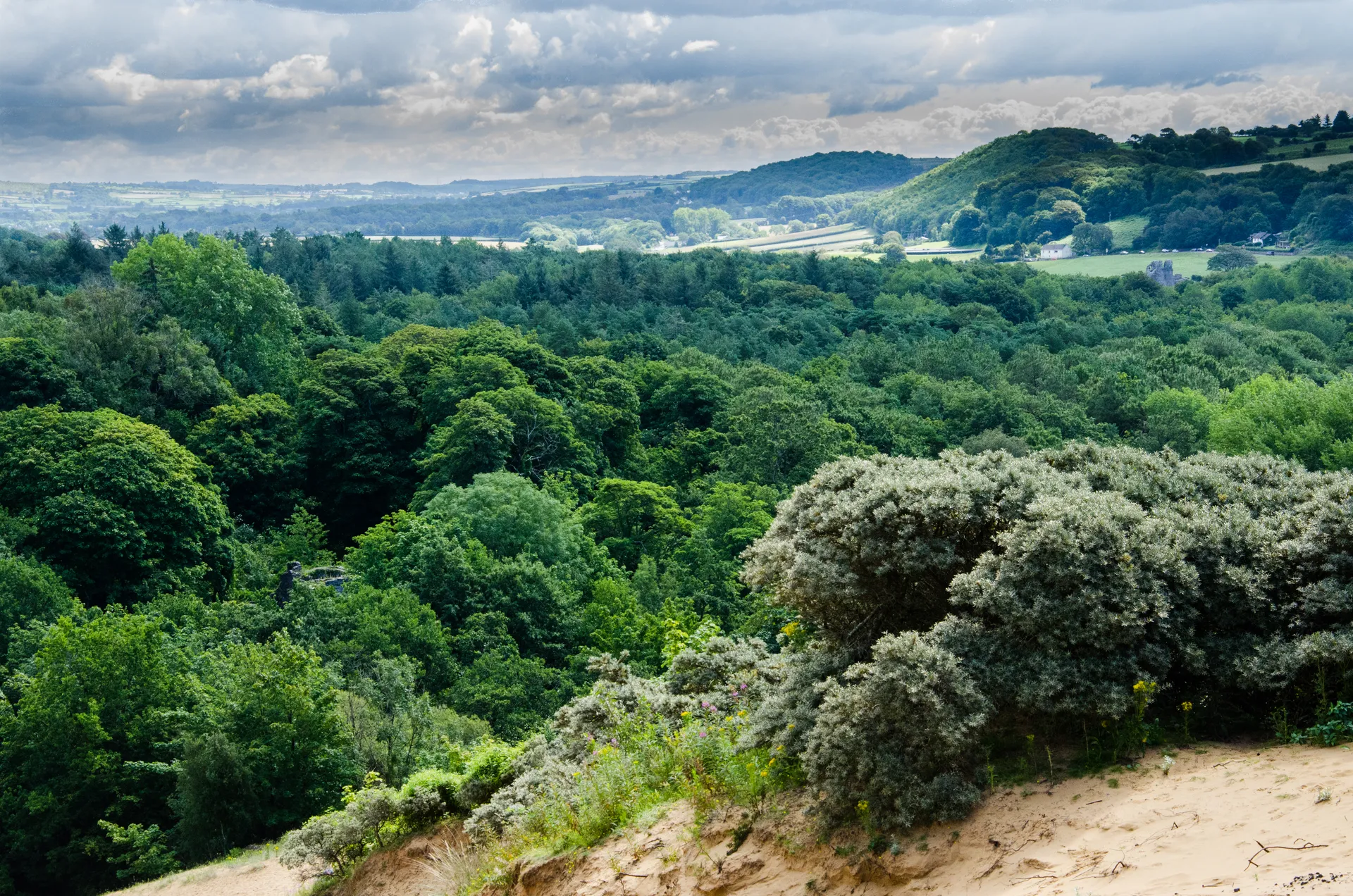
As stewards of an 840-acre National Nature Reserve, we work closely with Natural Resources Wales to manage grazing regimes, control invasive species, and maintain the delicate balance of the dune system. Alongside the landscape, the estate holds more than 35 listed buildings — maintained as working structures, not museum pieces.
“Whether hosting charity events or simply keeping the footpaths open — we believe in being a good neighbour.”
Part of the community
The estate serves as a venue for events such as the annual Between The Trees Festival in Candleston Woods, which brings independent music and arts to the landscape.
Beyond festivals, we work with local schools, community groups, and nature organisations to provide educational visits and guided walks.
Responsible management
for future generations
Our long-term approach focuses on sustainable infrastructure and renewable energy. As we introduce new accommodation and wellness offerings, our priority remains the responsible management of the landscape — the same principle that has guided the estate since 1804.