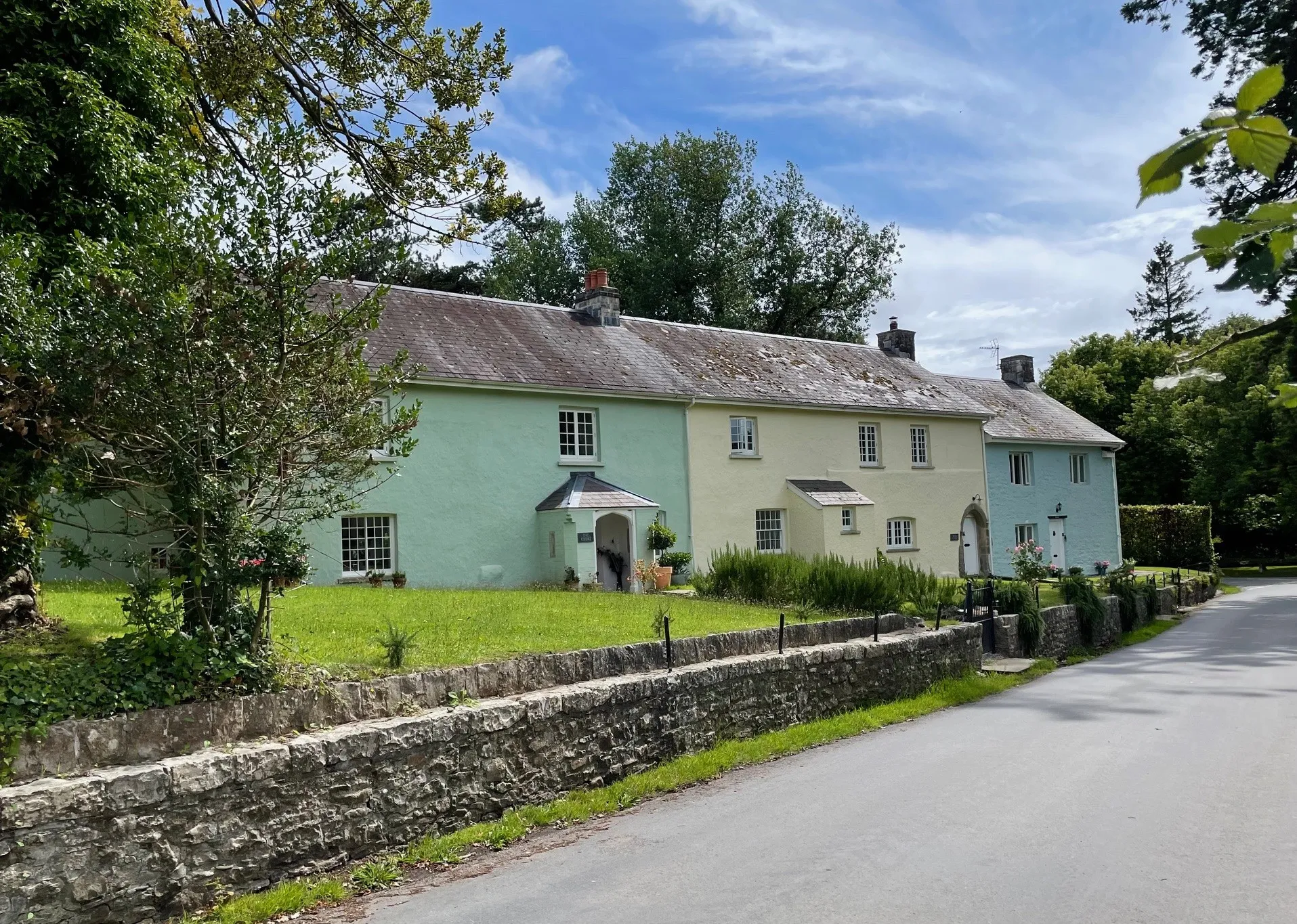
ROOTED IN HERITAGE & SHAPED BY NATURE
Merthyr Mawr The Village
A Place Untouched By Time
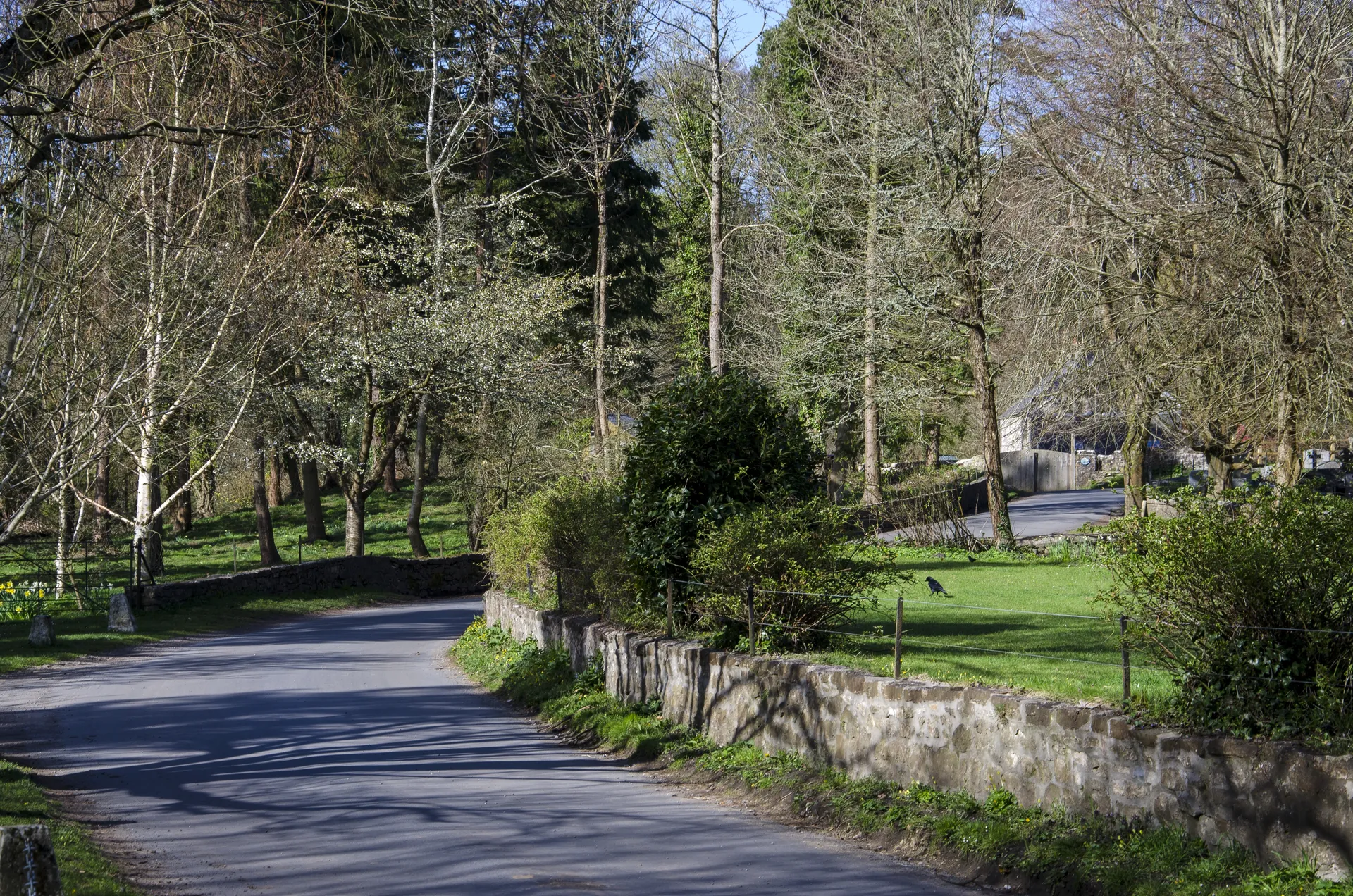
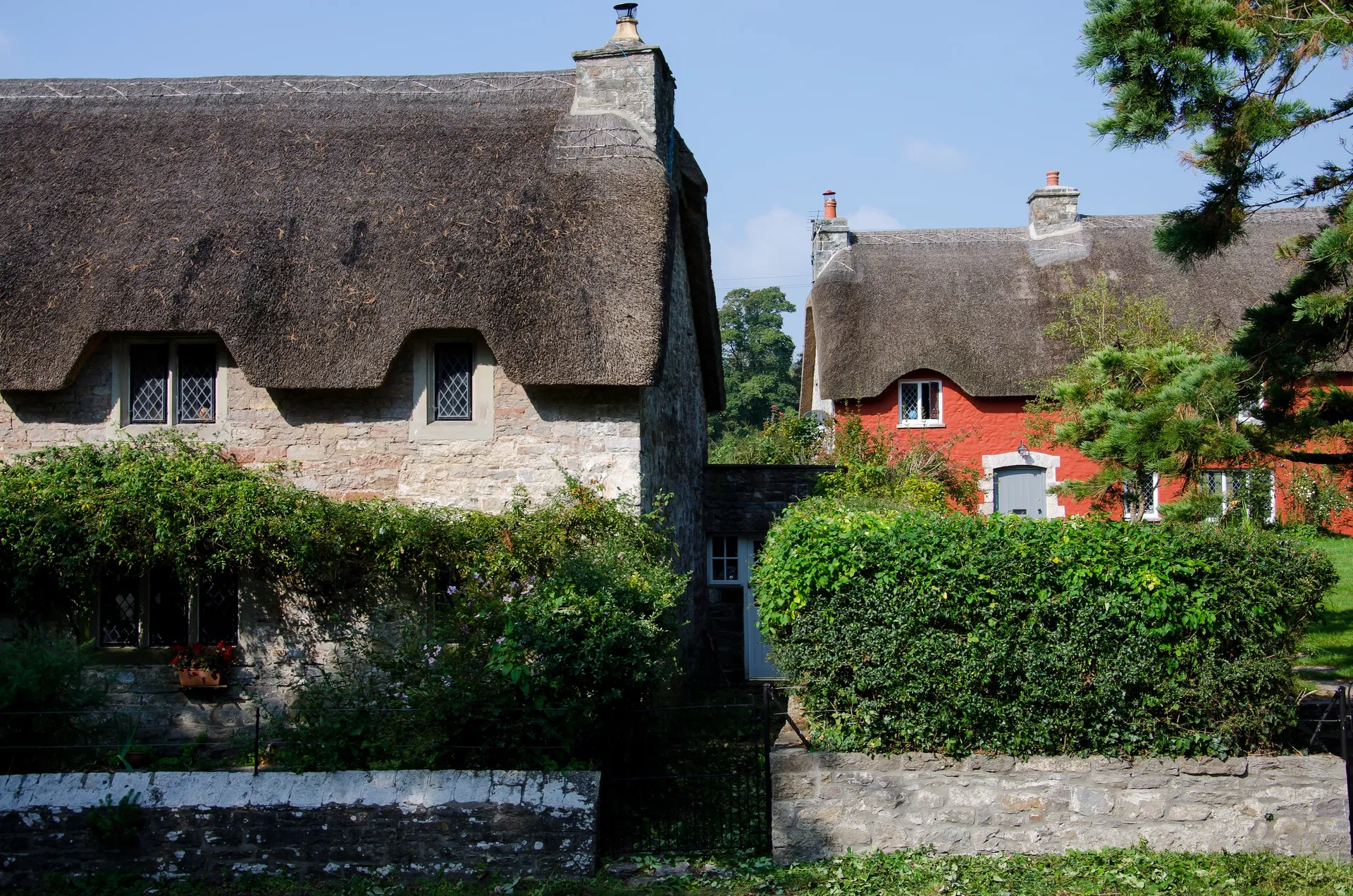
Tucked within the estate's embrace, Merthyr Mawr village feels like a secret carefully kept. Pretty thatched cottages cluster around a small green, their honey-coloured stone walls warmed by centuries of Welsh sunlight. The River Ogmore flows quietly past, crossed by ancient stepping stones that have welcomed travellers since medieval times.
This is an estate village in the truest sense — lovingly maintained, gently lived in, and refreshingly uncommercial. There are no shops, no through traffic, just birdsong, the whisper of wind through thatch, and the occasional clip-clop of hooves crossing the wobbly bridge that spans the river.
A Village With Deep Roots
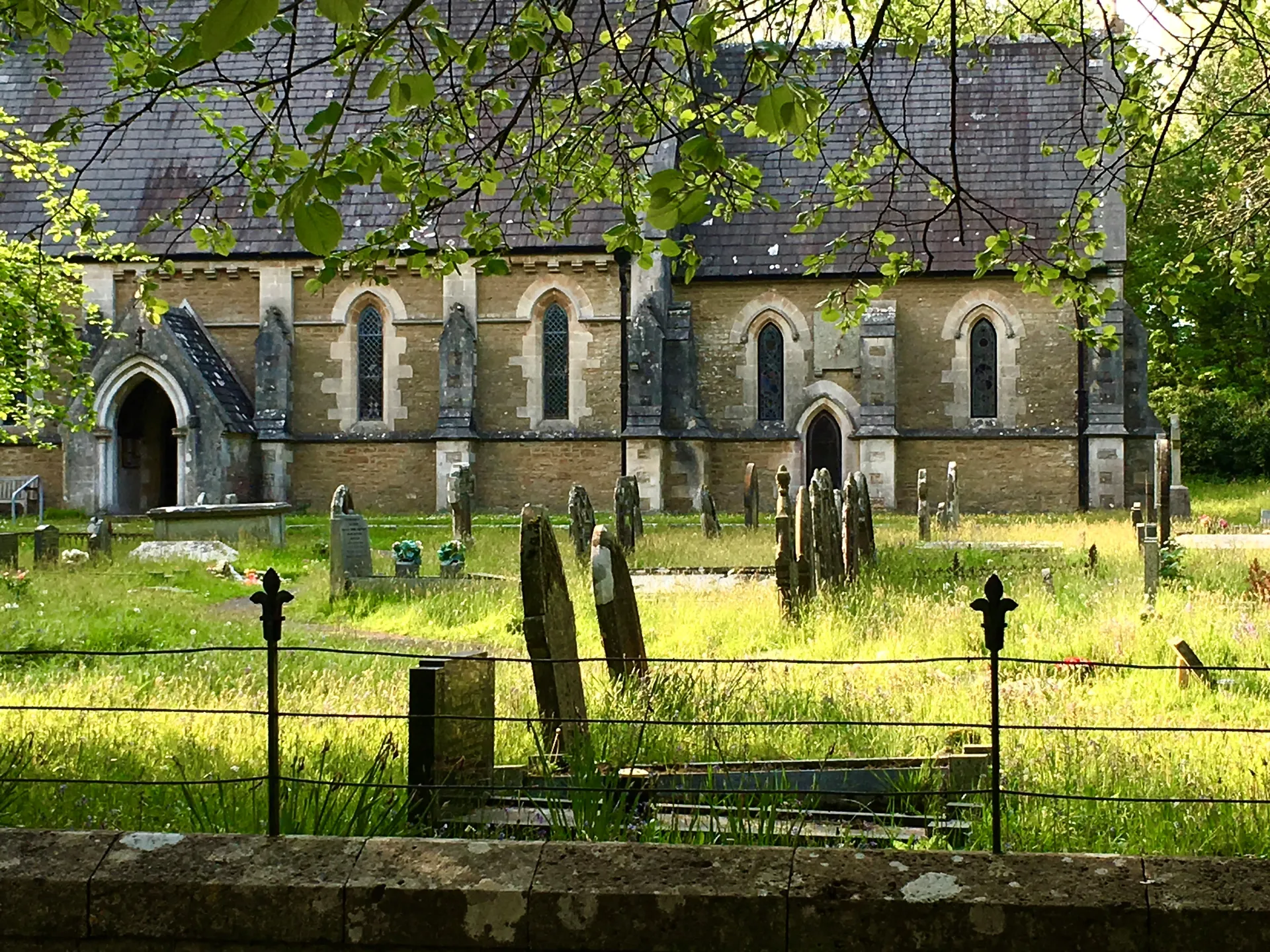
Walk through Merthyr Mawr and you're walking through layers of history. Archaeological evidence reveals habitation from Neolithic times onwards, with thirteen scheduled monuments scattered across the estate. The village church, St Teilo's, was built between 1849 and 1851 by architects Benjamin Ferrey and John Prichard, designed in the Early English style with its own collection of early medieval stones — some dating back to the 5th and 6th centuries.
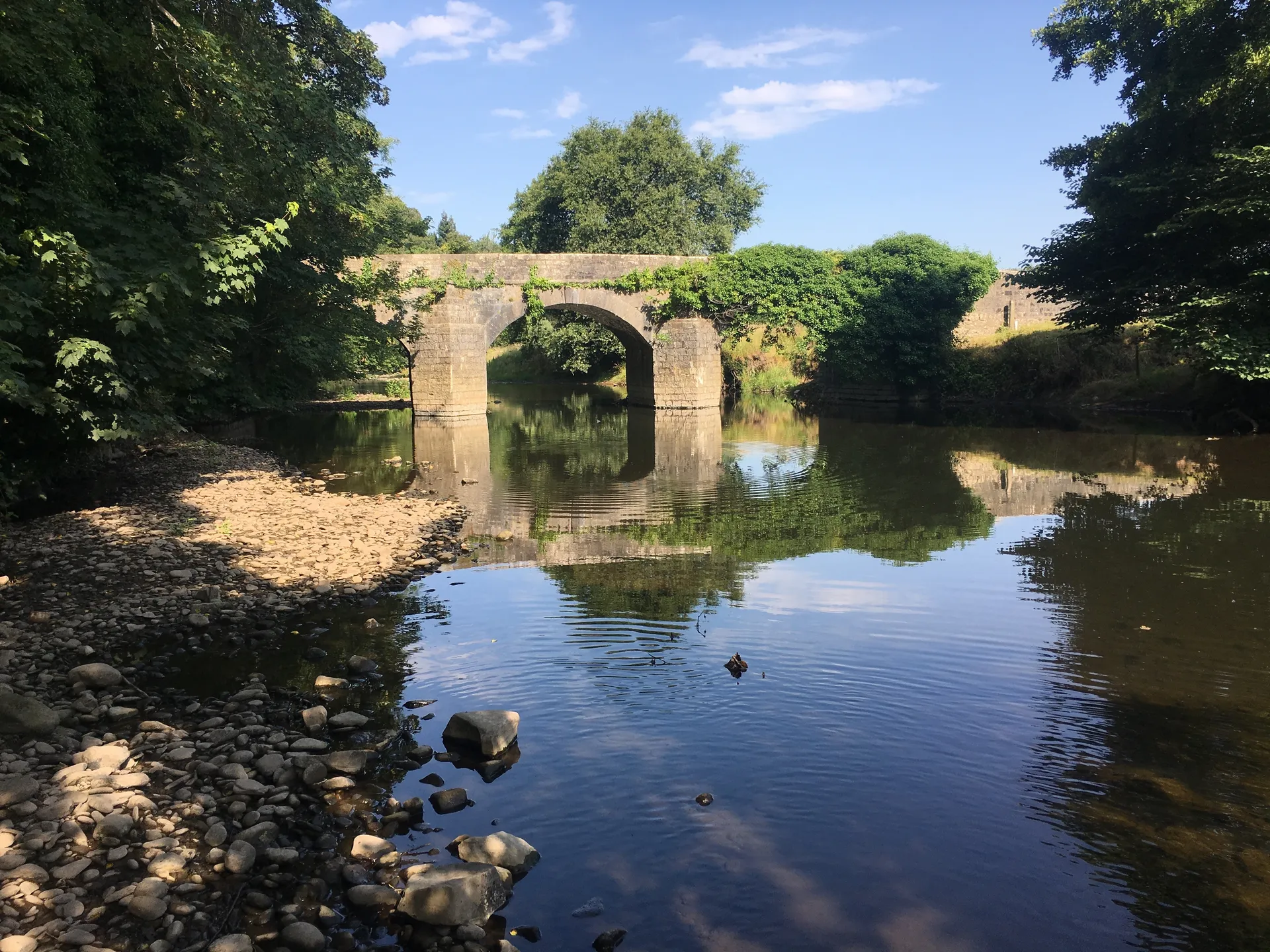
The old stone bridge at the edge of the village, affectionately known as the Wooden Bridge despite being rebuilt in stone, crosses the Ogmore with characteristic charm. Look closely and you'll spot the openings in its sides — once used for the annual sheep dip, a tradition that shaped rural life here for generations.
Chocolate-Box Cottages
The thatched cottages that line the village lanes aren't stage sets or tourist attractions — they're homes, each one carefully tended as part of the estate. Church Cottage, Keeper's Cottage, Holly Cottage, Diana Cottage — names that speak to centuries of quiet domesticity.
This isn't a museum village frozen in aspic. It's a lived-in place, part of a working estate where heritage and everyday life exist side by side.
Many cottages retain their 17th and 18th century character, with original stone doorways and the kind of thick walls that know how to keep out the Welsh weather. The thatch itself is a living craft, renewed and maintained by skilled hands.
Finding Your Way Here
The village sits about two and a half miles southwest of Bridgend, reached by a country lane that winds through the estate. You'll cross a narrow stone bridge where only one car can pass at a time — a gentle reminder that Merthyr Mawr operates at its own pace.
From Ogmore Castle, just across the river, you can reach the village via stepping stones and a suspension bridge.
Get Directions